
How to Build Stone Steps in a Garden
About This Project
This project outlines the steps for building durable and aesthetically pleasing stone steps in a garden. It covers site preparation, foundation, stone selection, laying the treads and risers, and finishing touches. Proper drainage and a stable base are crucial for longevity.
Tools & Materials

Stinger

MARSHALLTOWN 1000 ft. White Twisted Mason's String Line 629
Shovel
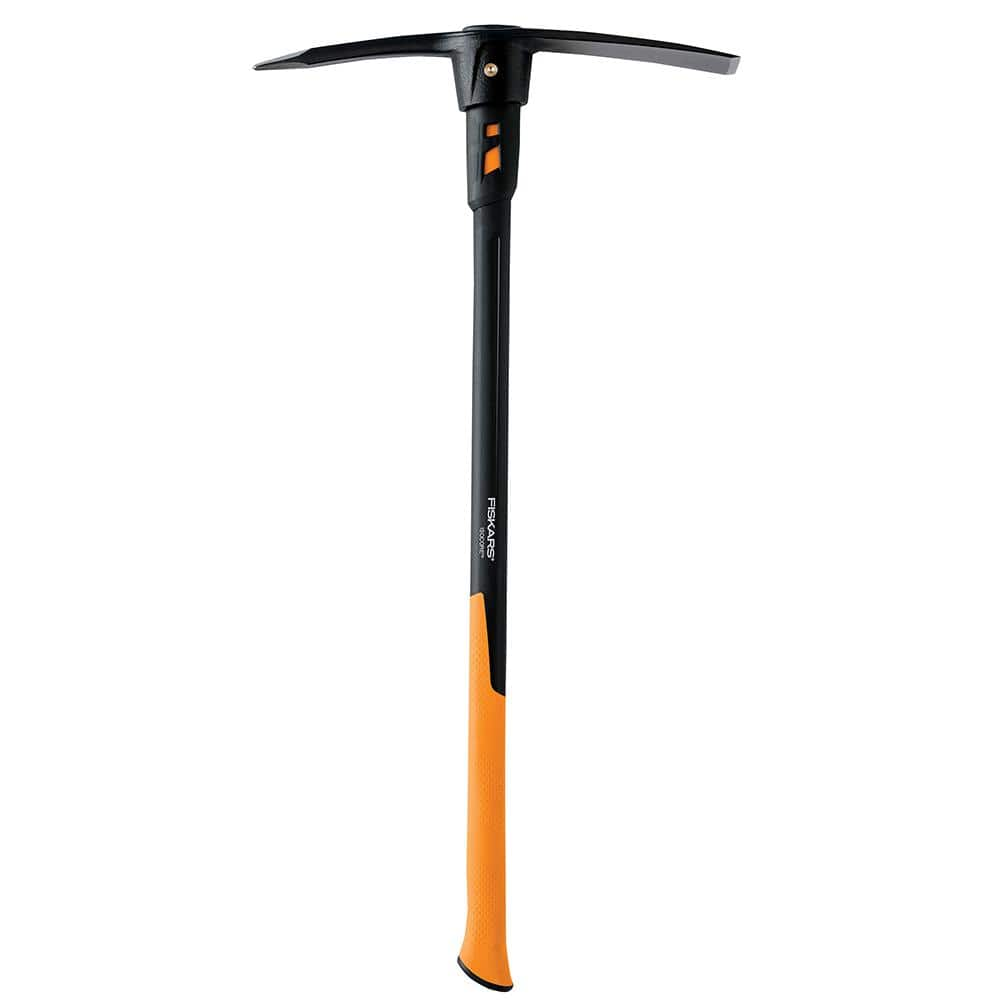
Fiskars Iso Core 5 lbs. Forged Steel 36 in. Pickaxe with Fiberglass Core Handle 751210-1003

Husky 6 cu. ft. Steel Wheelbarrow with Flat Free Tire HWB3016
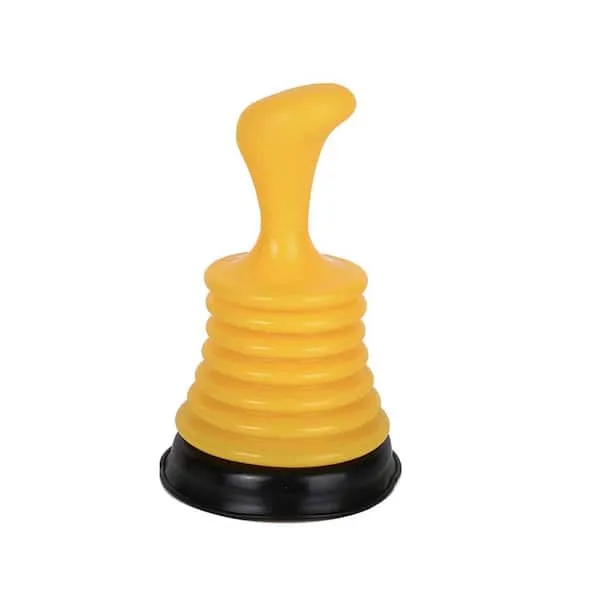
Plunger
Stinger
A stinger is a type of bar tool used in cocktail making and bartending. It is a long-handled utensil typically made of stainless steel, with a small disc-shaped end that is used to stir and mix ingredients in a cocktail glass. The stinger is an essential tool for creating perfectly mixed cocktails, as it allows bartenders to gently combine ingredients without disturbing the delicate balance of flavors. The stinger is particularly useful for cocktails that require a gentle touch, such as martinis or other stirred drinks. It is also commonly used to layer ingredients in a cocktail, creating visually appealing and distinct layers of flavor. The long handle of the stinger allows bartenders to reach the bottom of tall glasses or mixing glasses, ensuring that all ingredients are thoroughly mixed. One notable characteristic of the stinger is its versatility. While it is primarily used for stirring cocktails, it can also be used to muddle ingredients, such as herbs or fruit, in the bottom of a glass. This allows bartenders to extract maximum flavor from fresh ingredients, adding depth and complexity to their cocktails. In conclusion, the stinger is a versatile and essential tool for bartenders and cocktail enthusiasts alike. Its ability to gently mix ingredients, layer flavors, and muddle fresh ingredients makes it a valuable addition to any bar toolkit. Whether you are a professional bartender or a home mixologist, the stinger is sure to enhance your cocktail-making skills and elevate your drink creations to the next level.
MARSHALLTOWN 1000 ft. White Twisted Mason's String Line 629
This Marshalltown 1,000 ft. White Twisted Mason's String Line is ideal for staking out construction sites for concrete, brick, block or landscaping layouts. This rope isn't affected by mortar, oil and
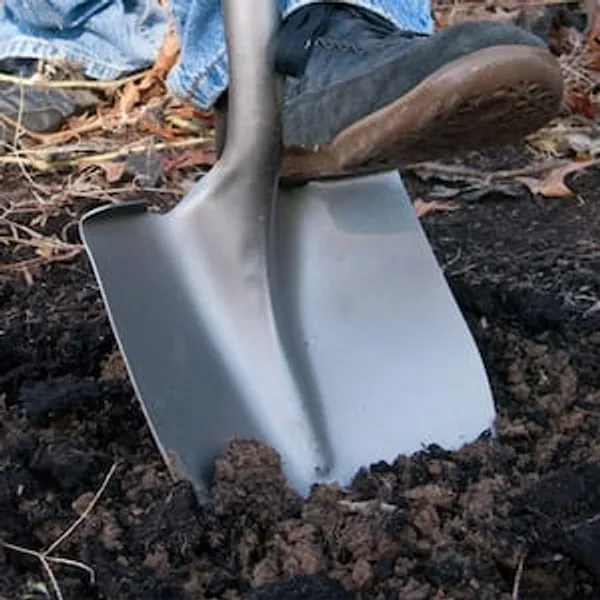
Shovel
Digs, lifts, and moves with ease.
Fiskars Iso Core 5 lbs. Forged Steel 36 in. Pickaxe with Fiberglass Core Handle 751210-1003
This rugged, powerful pick allows you to break up hard surfaces and dig in hard soil while helping to reduce muscle fatigue and joint pain. Premium steel is forged into a perfectly balanced design to help make every swing your best. Our patented, industry-leading IsoCore Shock Control System absorbs strike shock and vibration, reducing the punishment your body takes and a dual-layer handle captures any lingering vibration. An inseparable riveted head will not slide down or snap off, even when swinging with maximum force. A performance handle design fits your hand securely and comfortably with strategic texturing that helps improve grip while reducing blisters. This design has been tested to exceed U.S. standards for striking tool durability to withstand the toughest work environments. Great for ripping into hard surfaces, this pick features our patented IsoCore Shock Control System to reduce shock and vibrations by 2X.
Husky 6 cu. ft. Steel Wheelbarrow with Flat Free Tire HWB3016
The Husky wheelbarrow is constructed to tackle even the most rigorous of jobs. The 6 cu. ft. heavy duty steel bin is great for transporting heavy items like gravel, stone, wood and bricks. A durable steel
Plunger
Clears blockages with a push.
Steps
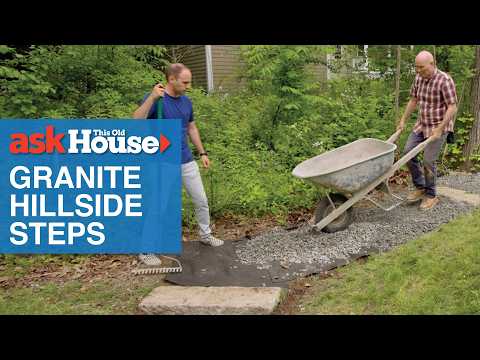
Mark and Excavate the Garden Stone Steps Area
240 minutesUsing stakes and string, mark the precise location and dimensions of your garden stone steps. The width of the steps should be at least 3 feet for comfortable use. Once marked, excavate the area to a depth of approximately 8-12 inches, ensuring the base is level and compacted. This depth will accommodate the gravel base, sand setting bed, and the stone treads.
Watch: Excavating for the First Step
Install Drainage and Gravel Base
180 minutesAfter excavating, add a layer of coarse gravel (e.g., 3/4-inch crushed stone) to the bottom of the excavated area, about 4-6 inches deep. This layer is crucial for proper drainage, preventing water from pooling under the steps and causing frost heave or erosion. Compact this gravel layer thoroughly using a tamper. Add a thinner layer (about 1-2 inches) of smaller gravel or coarse sand on top of the compacted coarse gravel.
Watch: Install and Compact Gravel Base
Prepare the Sand Setting Bed
60 minutesSpread a uniform layer of coarse sand, approximately 1-2 inches deep, over the compacted gravel base. Use a screed board (a straight piece of lumber) to level the sand, ensuring it is perfectly flat and consistent in depth. This sand bed will allow for minor adjustments when placing the stone treads.
Watch: Prepare Paver Sand Bedding Layer
Select and Lay the Stone Treads
300 minutesCarefully select the largest and flattest stones for the primary treads. Begin laying the first tread at the bottom of the steps, pressing it firmly into the sand bed. Use a rubber mallet to gently tap the stone into place, ensuring it is level and sits securely. Check for levelness in all directions. Continue laying subsequent treads, staggering them slightly if desired for a more natural look, ensuring each tread is level and has a consistent rise between them. The typical rise for garden steps is 6-8 inches.
Watch: Place the First Tread with a BullnoseInstall Risers and Fill Gaps
150 minutesIf using separate riser stones, place them vertically against the front edge of each tread, ensuring they are plumb and stable. You may need to use smaller stones or gravel to shim them into place. Backfill behind the riser stones with gravel or soil to provide support. Fill any remaining gaps between the treads and risers with smaller stones, gravel, or polymeric sand, ensuring a tight fit and a neat appearance. Sweep away excess material.
Watch: Build Subsequent Risers and Place Treads
Finishing Touches and Site Cleanup
90 minutesOnce all stones are set and gaps are filled, go back and check the stability of each step. Add more gravel or sand underneath any stones that feel loose and re-level them. Sweep the entire surface of the steps clean. Remove any excess materials, tools, and debris from the surrounding garden area. Consider adding mulch or decorative gravel around the base of the steps to integrate them into the garden landscape.
Watch: Final Inspection and Cleanup