
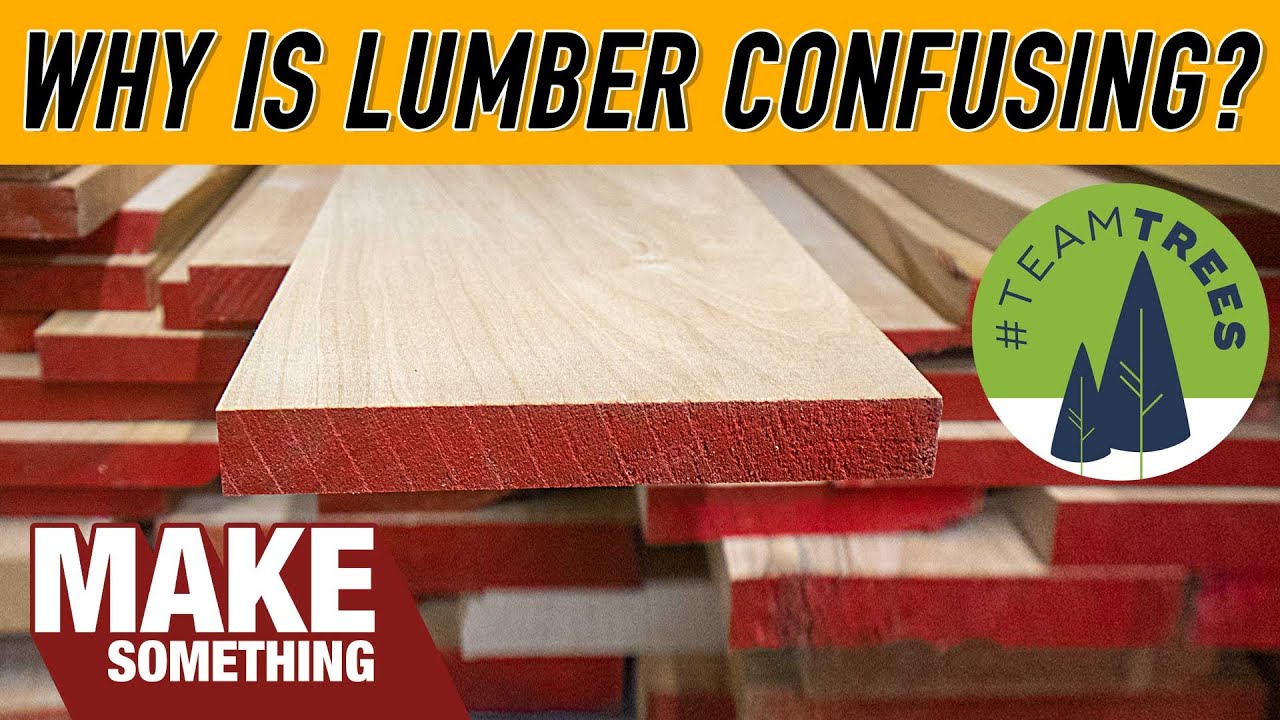
Board Foot Calculation
About This Project
Learn how to calculate board feet for lumber, a fundamental skill for woodworking and construction projects.
Tools & Materials
Measuring Tape

Victor Technology Victor Advanced Construction Calculator C6000
Measuring Tape
For accurate measurements of plywood and components, ensuring proper assembly.
Victor Technology Victor Advanced Construction Calculator C6000
When working on construction projects, the ability to use and convert between dimensions like feet, inches and pounds is a critical feature. The Victor C6000 allows you to do just that. The Advanced Construction
Steps

Measure Lumber Dimensions
5 minutesUsing a tape measure, accurately record the length of the lumber in feet. Then, measure the width of the lumber in inches. Finally, measure the thickness of the lumber in inches. These three dimensions are critical for the subsequent board foot calculation.
Watch: Understand Board Feet Calculation Chart
Convert Thickness and Width to Feet
3 minutesTake the measured thickness of the lumber in inches and divide it by 12 to convert it into feet. Do the same for the measured width of the lumber in inches, dividing it by 12 to get the width in feet. This conversion is necessary for consistent units in the board foot formula.
Watch: Calculate Board Feet (Feet & Inches)Calculate Board Feet
2 minutesApply the standard formula for board feet: Board Feet = Length (ft) x Width (ft) x Thickness (ft). Ensure all measurements are in feet before performing the multiplication. This calculation yields the total board feet for the piece of lumber.
Watch: Calculate Board Feet (All Inches)
Handle Irregular Lumber
5 minutesIf the lumber has irregular widths or thicknesses along its length, take multiple measurements and calculate an average for each dimension. Alternatively, for a more conservative estimate, use the smallest measured width and thickness. This ensures an accurate or safe calculation for irregularly shaped wood.
Watch: Calculate Board FootageCalculate Total Board Feet for Multiple Pieces
3 minutesAfter calculating the board feet for each separate piece of lumber using the previous steps, add all individual board foot values together. This sum represents the total quantity of lumber needed for your project, expressed in board feet.
Watch: Calculate Board Feet (All Inches)Common Problems
Inaccurate measurements of lumber dimensions.
Solution: Re-measure carefully, ensuring the measuring tape is held flat and straight against the lumber. Read the measurement directly to avoid parallax error. For length, measure from end to end. For thickness and width, measure at a few points along the board and use the most consistent measurement. Record measurements to the nearest 1/16th or 1/32nd of an inch before any rounding for calculations.
Prevention: Always double-check your measurements, especially if a calculation seems off. For longer boards, have a helper hold the tape measure end securely. Use a sharp pencil to mark your readings clearly.
Errors in converting inches to feet during calculation.
Solution: Carefully review the board foot formula: (Thickness in inches * Width in inches * Length in feet) / 12. If you measure the length in inches, you'll need to divide by 144 instead of 12. Most construction calculators have built-in unit conversion functions; learn how to use them correctly. Perform a quick mental sanity check with simple numbers.
Prevention: Write down the formula and the units you're using. For example, a 1-inch thick, 12-inch wide, 1-foot long board is exactly 1 board foot. If your calculation doesn't match this for similar dimensions, you likely have a conversion error.
Misusing the Victor Advanced Construction Calculator C6000 for board foot calculations.
Solution: Consult the calculator's user manual (it's often available online as a PDF) to understand its specific board foot function or how to input dimensions and perform the calculation step-by-step. Practice with a few known examples (e.g., a 2x6 that is 8 feet long) to ensure you are getting the correct results before using it for your project lumber.
Prevention: Before starting your project, watch a quick tutorial video or spend 10-15 minutes familiarizing yourself with your calculator's specific board foot features and unit input conventions. This investment of time will save you from costly errors later.
Confusing nominal lumber dimensions (e.g., '2x4') with actual, dressed dimensions (e.g., 1.5" x 3.5"), leading to incorrect board foot estimates or ordering the wrong quantity.
Solution: Always measure the actual thickness and width of your lumber with your tape measure. Do not rely solely on the nominal dimensions for calculations, especially for finished or dressed lumber from a big box store. If you're working with rough-sawn lumber, it will be closer to nominal, but still measure for accuracy.
Prevention: Understand that most modern lumber is dressed (planed smooth) after being cut, reducing its actual dimensions. Always verify the actual dimensions by measuring a sample board. When ordering, clarify whether the board foot calculation is based on nominal or actual dimensions with your supplier.
Difficulty calculating board feet for irregular lumber, such as live-edge slabs or boards with varying thickness/width.
Solution: For varying thickness, measure the thickness at several points and use an average, or conservatively use the minimum usable thickness. For varying width, measure the usable width at several points (e.g., widest, narrowest, and middle) and average those measurements for your calculation. Always round down slightly or be conservative to ensure you don't underestimate your material needs.
Prevention: Acknowledge that board foot calculations for irregular lumber are estimates. When purchasing, consider buying slightly more than your conservative estimate to account for variations and potential cutting waste. Clearly define what 'usable' dimensions mean for your specific project.
Losing track of individual board foot calculations when dealing with multiple pieces of lumber, leading to an incorrect total order or project shortage.
Solution: Create an organized system. Use a spreadsheet, a notebook, or a dedicated app to list each piece of lumber, its dimensions, individual board foot calculation, and a running total. Check off each board as you measure and calculate it. Double-check your final sum.
Prevention: Before you begin measuring, make a simple list of all the different cuts or pieces you need. Group similar dimensions together to streamline the process. Regularly review your progress and running total to catch errors early.
Frequently Asked Questions
Do I really need a special construction calculator for this, or will a standard one work?
While a standard calculator can perform the multiplication, a construction calculator like the Victor C6000 often simplifies working with fractions and unit conversions (inches to feet), which are common in lumber measurements. It can speed up the process and reduce errors, especially when dealing with many pieces or complex dimensions. However, any calculator can work if you carefully handle the unit conversions manually.
What's the most common mistake beginners make when calculating board feet?
The most frequent error is forgetting to convert all dimensions to feet before multiplying, especially thickness and width which are usually given in inches. Always divide the inch measurements by 12 before multiplying them by the length in feet. Another common mistake is confusing nominal dimensions (what the lumber is called, e.g., '2x4') with actual dimensions (what it actually measures, e.g., 1.5" x 3.5").
Is learning to calculate board feet manually truly necessary, or can I just rely on lumberyard staff?
Learning to calculate board feet yourself is a fundamental skill that empowers you to accurately estimate material costs, compare prices from different suppliers, and verify your lumber orders. While lumberyard staff can help, understanding the calculation ensures you buy exactly what you need, avoid overspending, and catch potential errors. It gives you greater control over your project budget and materials.
How do I handle rough-sawn lumber or pieces with irregular shapes when calculating board feet?
For rough-sawn lumber, use the actual average dimensions rather than nominal ones. Measure the thickness and width at several points along the board and use the most conservative (smallest) usable dimension for your calculation. For truly irregular pieces, you might need to estimate the average usable rectangular volume, or calculate based on the largest rectangle you can mill from the piece, factoring in waste.
Why does this project estimate 2 hours if it's just a few calculations?
The 2-hour estimate accounts for more than just punching numbers. It includes the time it takes for a beginner to fully understand the concept, practice measuring accurately, perform unit conversions correctly, and calculate total board feet for multiple pieces. It also allows time for double-checking your work and familiarizing yourself with different lumber types and their typical dimensions, ensuring you build confidence in the process.
Are there any good alternative methods or online tools for calculating board feet?
Yes, many online board foot calculators and smartphone apps are available that can quickly compute the volume for you. These tools are convenient and can save time, especially for large lists of lumber. However, it's still crucial to understand the manual calculation to verify results, troubleshoot discrepancies, and ensure you input the correct dimensions and units into any digital tool.


