
How to Resurface Worn Concrete Steps
About This Project
This project outlines the steps to resurface worn concrete steps, including cleaning, repairing cracks, applying a bonding agent, and finishing with a concrete resurfacer product.
Tools & Materials
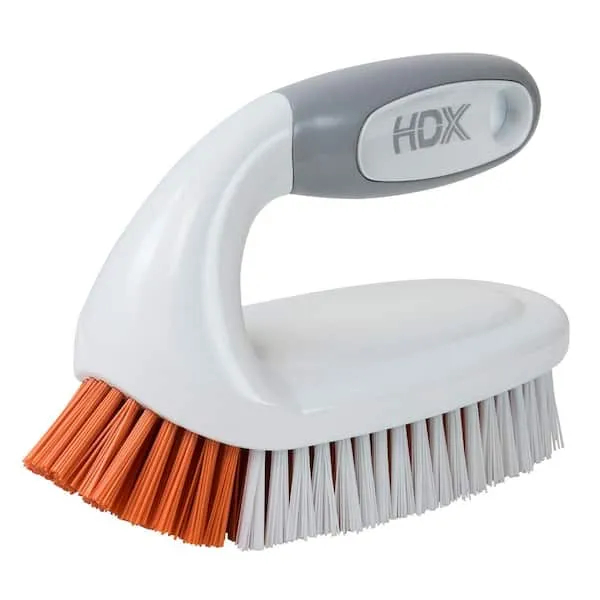
Scrub Brush

HDX Giant Commercial Corn Broom 750
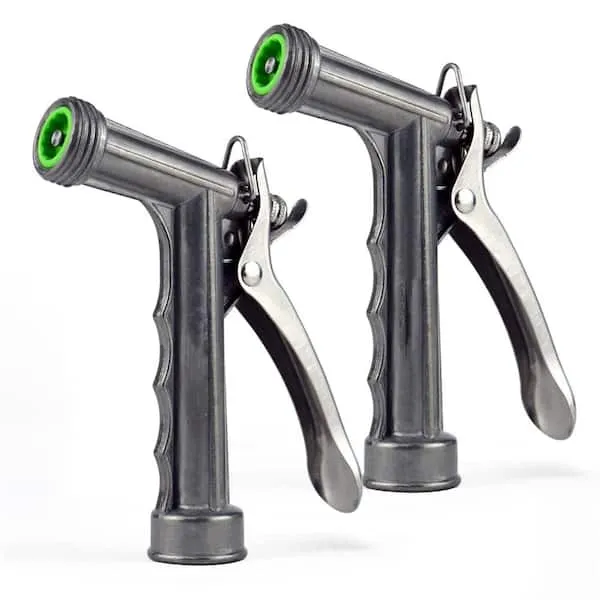
Hose with high-pressure nozzle
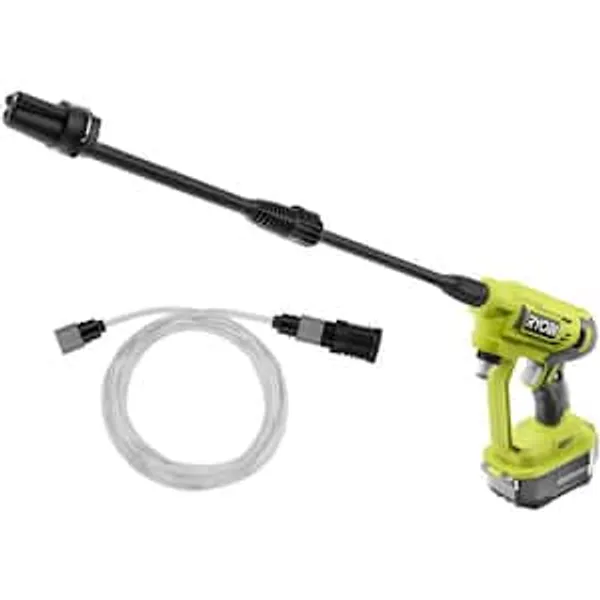
Pressure Washer

Dasco Pro 1-3/4 in. x 7-1/2 in. Mason Chisel 333-0
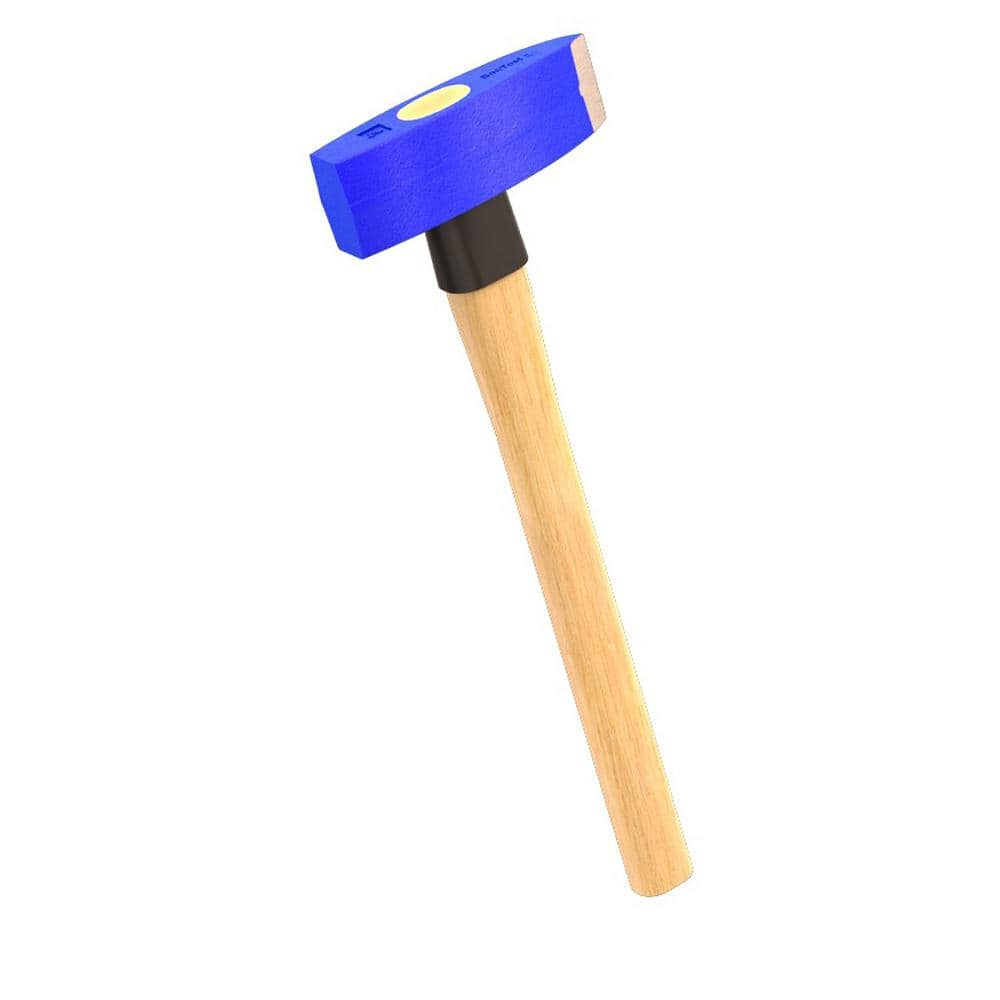
Bon Tool 4 lb. Rectangular Face Stone Mason Hammer 11-367
Scrub Brush
Tackles tough stains with stiff bristles.
HDX Giant Commercial Corn Broom 750
This Giant Commercial Corn Broom is a premium, heavy-duty corn broom with exceptional fiber weight that picks up dirt and dust effectively. It offers an extra wide 15 in. sweep path, creating a larger
Hose with high-pressure nozzle
Powerful water spray at your fingertips.
Pressure Washer
Cleans surfaces with high-pressure water.
Dasco Pro 1-3/4 in. x 7-1/2 in. Mason Chisel 333-0
The Dasco Pro 1-3/4 in. x 7-1/2 in. Mason Chisel has a 4 in. steel handle and ideal for cutting or shaping brick, cement block, cinder block, or trimming excess mortar. The target head has been designed
Bon Tool 4 lb. Rectangular Face Stone Mason Hammer 11-367
The Stone Mason's Hammer features a sharp tip used for chipping off edges or small pieces of stone. The rectangular face weighs 4 pounds. The 4 pound head is set on a sturdy 16 in hickory handle, allowing
Steps

Inspect and Clean Concrete Steps
60 minutesBegin by sweeping away loose dirt and debris. For stubborn stains or grease, use a concrete degreaser and a stiff-bristled brush, followed by a thorough rinse with water. Ensure the concrete is completely dry before proceeding. Inspect the steps for any cracks, spalling, or crumbling areas that will need repair.
Watch: Clean and Prepare Damaged Steps
Repair Cracks and Damage
120 minutesFor cracks less than 1/4 inch wide, use a flexible concrete crack filler. For wider cracks, holes, or spalled areas, use a concrete patching compound. Follow the manufacturer's instructions for mixing and application. For patching compounds, ensure you overfill slightly to allow for shrinkage. Smooth the patch flush with the surrounding concrete surface using a trowel.
Watch: Fill Concrete Cracks
Prime the Surface
30 minutesOnce the repairs are fully cured and the surface is dry, apply a concrete bonding agent or primer according to the manufacturer's instructions. This is typically brushed or rolled onto the concrete. Ensure complete coverage, paying attention to edges and corners. This step is crucial for creating a strong bond between the old concrete and the new resurfacing material.
Watch: Prime the Concrete Surface
Mix and Apply Concrete Resurfacer
75 minutesIn a clean mixing bucket, combine the concrete resurfacer powder with the recommended amount of clean water. Mix thoroughly with a drill equipped with a mixing paddle until a lump-free, workable consistency is achieved. The mixture should be like thick pancake batter. Immediately after mixing, pour the resurfacer onto the primed step and spread it evenly using a squeegee or trowel. Work from the top step downwards. Ensure consistent thickness across all surfaces.
Watch: Mix Concrete Resurfacing Product
Texture and Finish
30 minutesWhile the resurfacer is still wet, use a broom, stiff brush, or specialized texturing tools to create the desired finish. A broom can create subtle lines, while a trowel can be used for smoother finishes or to create patterns. Work from the top step down. Smooth any ridges or uneven areas with a trowel as needed. Ensure all edges are neat and tidy.
Watch: Achieve Desired Finish
Cure the Resurfacer
1440 minutesProtect the newly resurfaced steps from direct sunlight, rain, and heavy foot traffic. The curing process typically takes 24-72 hours, but check the specific product's instructions for the recommended curing time and method. Some products may recommend misting the surface with water periodically during the first few days of curing to ensure optimal hydration.
Watch: Cure Resurfaced Concrete