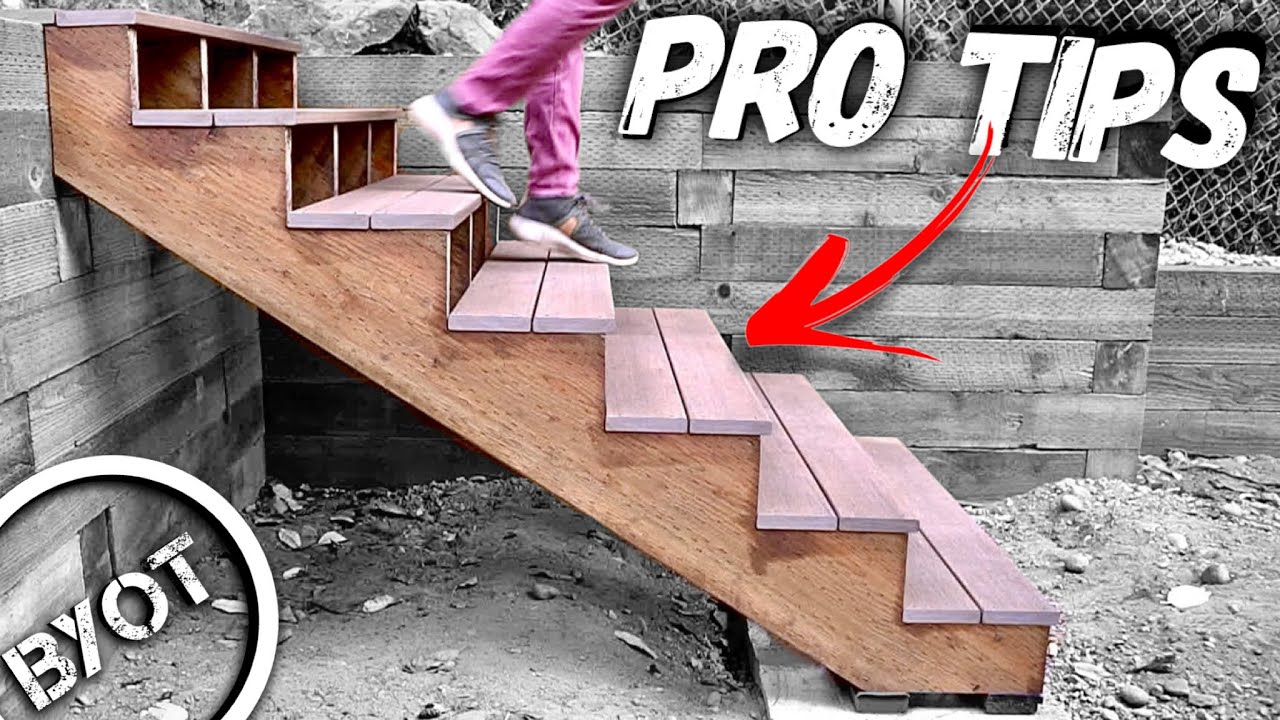

How to Measure Basement Stairs with Uneven Steps
About This Project
Outline for measuring uneven basement stairs to prepare for leveling or repair. This involves identifying the extent of the unevenness and taking precise measurements of each step's rise and run to plan corrective actions.
Tools & Materials

Defiant 2000 Lumens LED Slide-to-Focusing Aluminum Flashlight 90706

Safety Glasses

25 ft. Tape Measure
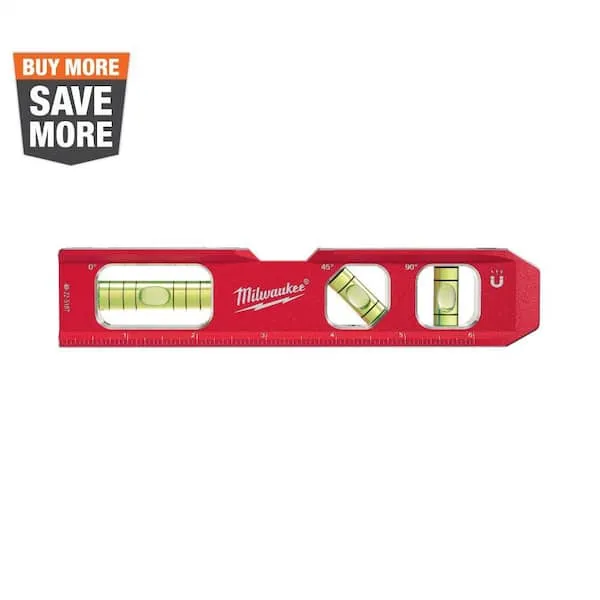
Level

3/16 in. x 2 ft. x 4 ft. Chalkboard/Whiteboard 7012145

Pencil
Defiant 2000 Lumens LED Slide-to-Focusing Aluminum Flashlight 90706
This Defiant 2000-Lumens LED Slide-to-Focusing Aluminum Flashlight features high- powered LED chips to emit up to 2000-Lumens of light, illuminating your work area and beyond. Its tough aluminum material
Safety Glasses
Keeps eyes safe from potential hazards.
25 ft. Tape Measure
Measure with precision and ease.
Level
Ensures surfaces are just right.
3/16 in. x 2 ft. x 4 ft. Chalkboard/Whiteboard 7012145
This product features dry erase board on 1 side and chalkboard on the other. Great for projects at home, work or in the classroom. Offers flexibility for a variety of DIY projects.
Pencil
Marks and draws with ease.
Steps

Inspect the Stairs for Visible Unevenness
10 minutesBefore taking any measurements, conduct a thorough visual inspection of the entire staircase. Look for any treads that appear to be sagging or dipping in the middle, any risers that are visibly shorter or taller than others, or if the entire staircase seems to be leaning or out of plumb. Note any areas that appear to be structurally compromised or have significant wear. This initial inspection will help you focus your detailed measurements on the most problematic areas.
Watch: Visually Inspect for Staircase Wear and Damage
Measure the Rise of Each Step
20 minutesUsing a tape measure and a level, accurately measure the vertical distance between the top surface of one tread and the top surface of the tread directly above it. Start at the bottom of the stairs and work your way up, measuring the rise at both the left and right sides of each step, as well as in the center. Record these measurements for each step. Consistent rise is crucial for comfortable and safe stair use. Note any significant variations.
Watch: Measure Inconsistent Step Rise Heights
Measure the Run of Each Step
20 minutesUsing a tape measure, determine the horizontal depth of each step from the edge (nosing) to the vertical face (riser) of the step directly above it. Measure the run at both the left and right sides, and in the center of each step. Record these measurements for every step. Consistent run is also important for stair safety. Note any significant differences in run measurements.
Watch: Measure Individual Stair Components
Check for Plumb and Level of Treads and Risers
15 minutesPlace a long level across the width of each tread to check if it is level from side to side and front to back. Then, use a level or a plumb bob to check if the vertical face of each riser is plumb (perfectly vertical). Any significant deviations from level or plumb indicate that the stairs may have settled unevenly or were not constructed correctly.
Watch: Level and Align Installed Riser
Measure Overall Staircase Dimensions
10 minutesMeasure the total vertical distance from the finished floor at the bottom of the stairs to the finished floor at the top of the stairs (total rise). Then, measure the total horizontal distance from the base of the first riser to the point directly beneath the edge of the top landing (total run). These overall measurements provide context for the individual step measurements and can help in planning any significant structural adjustments.
Watch: Measure Total Rise
Document All Measurements
15 minutesConsolidate all the measurements taken in the previous steps (individual rises, individual runs, plumb/level checks, total rise, total run) into a single document or spreadsheet. Clearly label each measurement with the step number or location. This organized data will be essential for determining the extent of the unevenness, identifying problem steps, and planning the most effective repair or leveling strategy.
Watch: Measure Total Vertical Rise