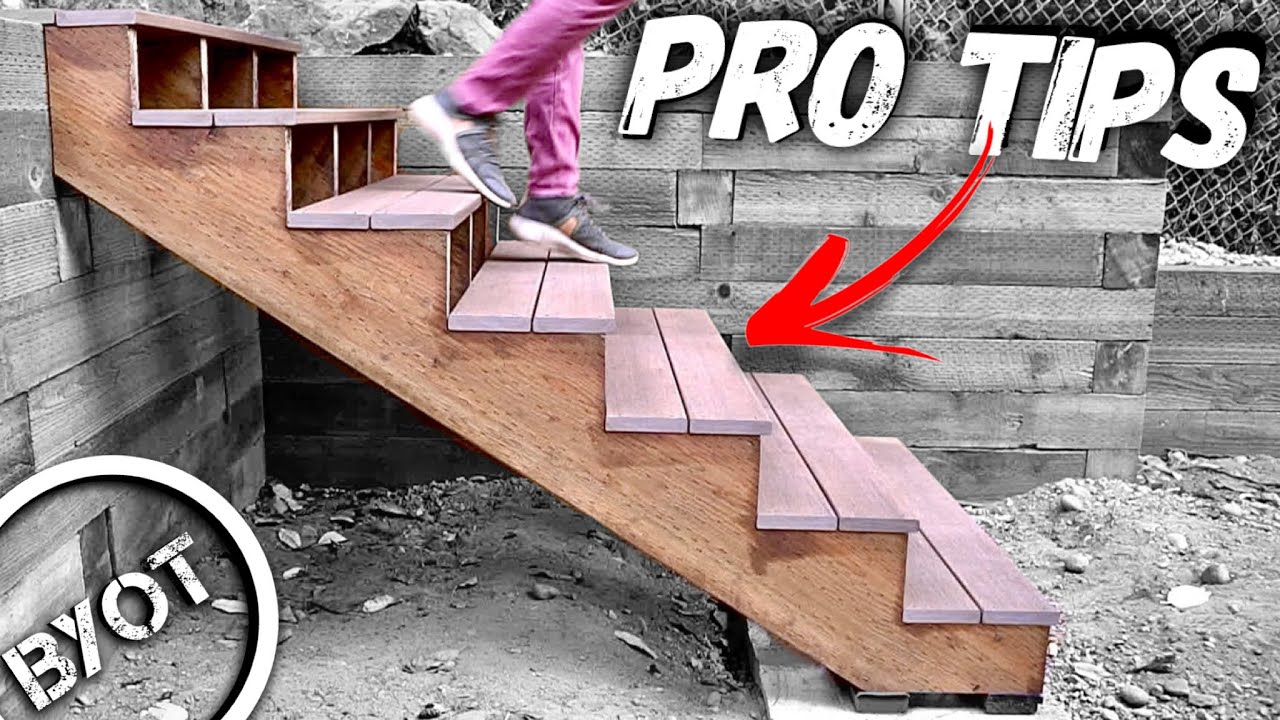

How to Check Stairs for Rot or Damage Before Covering Them
About This Project
A high-level outline for a DIY project to inspect stairs for rot or damage before covering them. This involves visual inspection, probing for softness, checking for structural integrity, and assessing the condition of treads, risers, and stringers.
Tools & Materials

Defiant 2000 Lumens LED Slide-to-Focusing Aluminum Flashlight 90706
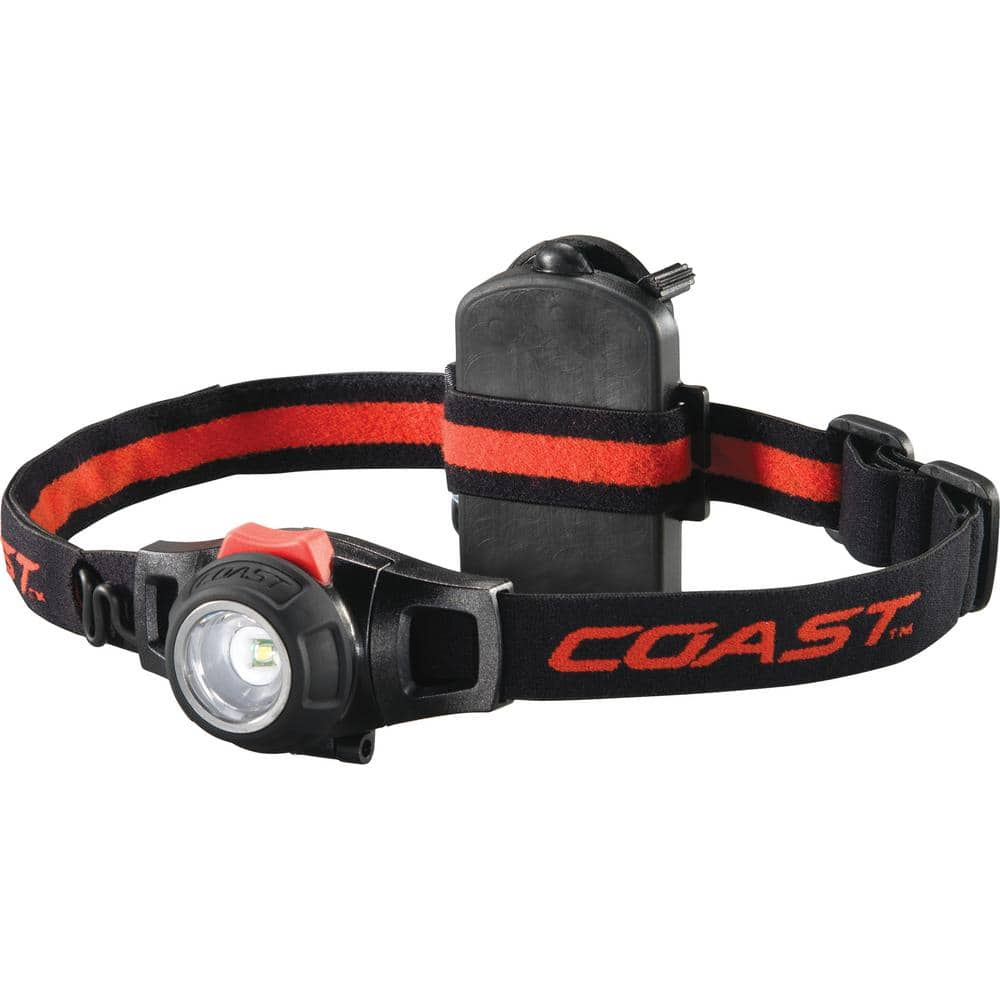
Coast HL7 305 Lumens Focusing LED Headlamp 19273
Screwdriver

Alder & Oak #2 Container 'Arbosana' Olive Tree OLAR02

TEKTON Straight Pick (1/8 in. x 3 in.) PNH21101
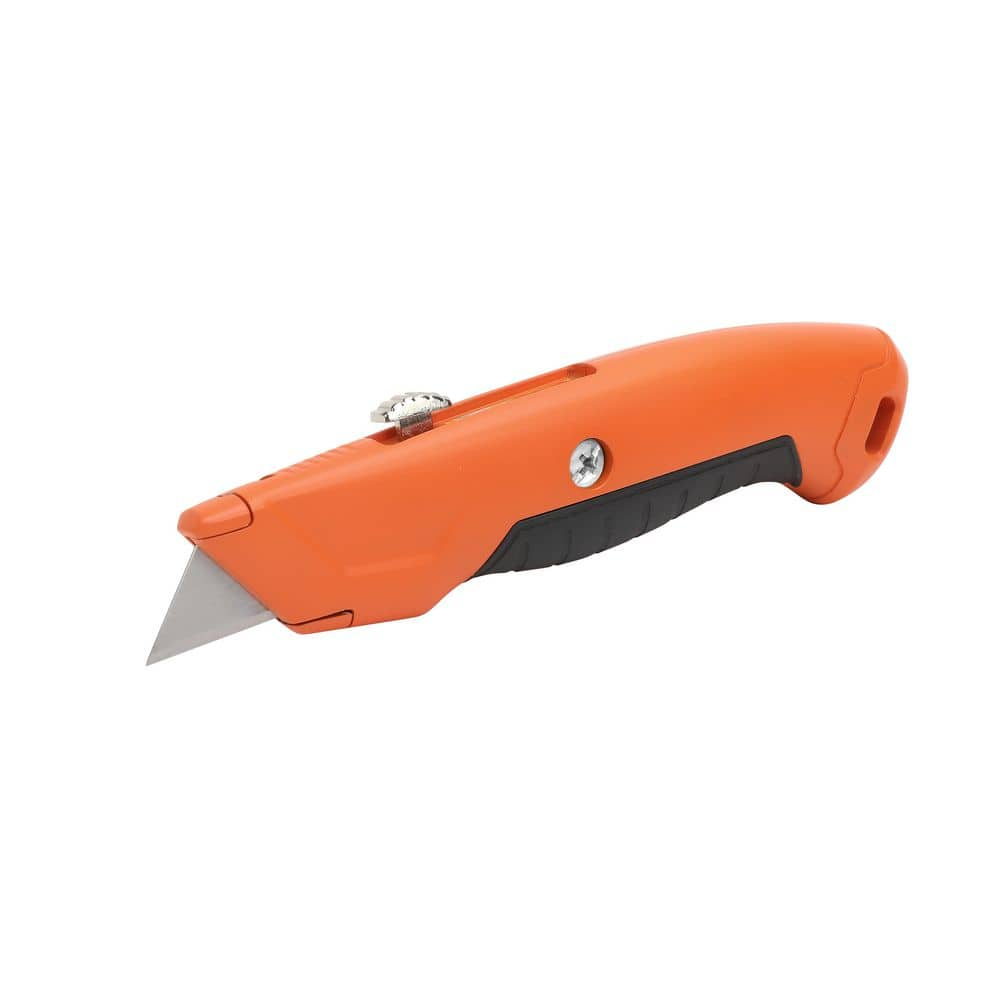
Retractable Utility Knife 99735
Defiant 2000 Lumens LED Slide-to-Focusing Aluminum Flashlight 90706
This Defiant 2000-Lumens LED Slide-to-Focusing Aluminum Flashlight features high- powered LED chips to emit up to 2000-Lumens of light, illuminating your work area and beyond. Its tough aluminum material
Coast HL7 305 Lumens Focusing LED Headlamp 19273
Love our Pure Beam Focusing System. The HL7 Headlamp gives you the ability to shine an ultra-wide flood beam and then quickly twist the bezel to a long reaching spot beam with transition halo so that you can be ready for anything. With our Variable Light Control Technology onboard you have the ability to adjust the light output with the control lever to any point between the lowest low and the highest high so you can have highly personalized output and runtimes. With Coasts commitment to quality, the HL7 Headlamp is impact resistant, weather resistant and its LED is virtually unbreakable. The HL7 Headlamp is backed by Coasts lifetime warranty against defects in materials and workmanship. Tested and rated to ANSI/FL1 standards.
Screwdriver
Essential for assembling the cart with screws and installing hardware like gate latches.
Alder & Oak #2 Container 'Arbosana' Olive Tree OLAR02
Grow your own olives at home, This little tree will one day reach a full height of 15 ft. tall but in the meantime is content grown in a pot or container planter. Can be pruned to desired height. Makes
TEKTON Straight Pick (1/8 in. x 3 in.) PNH21101
The Tekton Straight Pick is made from AISI 8650 steel hardened to 50-54 HRC and bent to shape. The tip of the pick comes to a sharp 30-degree tapered point to keep the strength as close to the tip as possible. Two "wings" on the base of the blade help it resist being twisted or pulled out of the handle. The classic square handle is long and slender with contoured sides for overall versatility and maneuverability. The AISI 8650 steel shaft is made from a strong Ni-Cr-Mo alloy that's hardened to 50-54 HRC. The handle is made from glass-reinforced nylon that's resistant to fuels, oils, and chemicals. Our family of mini pry bar, pick, and hook products is made entirely in Michigan with only USA-sourced materials. Machining, bending, coining, handle molding, and press-fitting the handle and blade take place at our Grand Rapids, Michigan manufacturing facility.
Retractable Utility Knife 99735
The Unbranded Retractable Utility knife provides the utmost in convenience and safety. It is both lockable and retracts when not in use. Designed with a comfort grip handle and includes 3 extra utility
Steps

Inspect Treads and Risers for Surface Damage
30 minutesBegin by thoroughly examining the surface of each stair tread and riser. Look for any visible cracks, deep gouges, splintering wood, or areas where the finish has worn away. Discoloration, especially dark spots or staining, can be an early indicator of moisture intrusion or rot. Focus on the front edge of the treads and the areas where the riser meets the tread, as these are high-traffic zones and prone to damage. Use a bright flashlight to enhance visibility, especially in dimly lit stairwells.
Watch: Assess Damage & Prepare for Repair
Probe for Soft Spots and Rot
45 minutesAfter the visual inspection, systematically probe the surfaces of the treads, risers, and the visible portions of the stringers. Insert the tip of a sturdy screwdriver or an awl into the wood and apply moderate pressure. Move the probe in short increments. Listen for any unusual sounds like crunching or squishing, which can signal decay. Feel for any areas that feel soft, spongy, or give way easily under pressure. If the probe penetrates the wood with little resistance, it's a strong indication of rot or significant damage. Pay special attention to areas near the nosing of the treads and where the stringers meet the treads.
Watch: Inspect for Rot and Soft Spots
Check Stringer Integrity
30 minutesLocate the stair stringers, which are the diagonal boards that support the treads and risers. These are typically visible from the sides of the staircase. Visually inspect the entire length of each stringer for any longitudinal cracks, splits, or evidence of rot, particularly at the top and bottom where they connect to the structure. Gently try to wiggle the stringers; they should feel solid and securely fastened. If possible and safe to do so, apply some downward pressure to the treads near the stringers to check for any visible sagging or excessive flex in the stringers themselves. Ensure the stringers are firmly attached to the upper and lower framing members.
Watch: Prioritize Maintenance and SafetyAssess Fastener Security
25 minutesInspect all connection points where treads meet risers and stringers, and where risers meet each other. Look closely at the fasteners used, whether they are screws, nails, or staples. Check if any are protruding, loose, or missing entirely. Gently try to rock or lift treads and risers to feel for play that indicates a failed connection. If you find loose fasteners, tighten them appropriately. Note any areas where wood may have deteriorated around a fastener, suggesting the fastener can no longer hold securely. Examine glue joints for signs of separation.
Watch: Assess Damage & Prepare for Repair
Test for Stability and Squeaks
15 minutesAfter visually and physically inspecting the components, perform a functional test. Walk up and down the stairs at a normal pace, deliberately putting weight on different parts of each step, especially near the edges and center. Listen carefully for any creaking or squeaking sounds. These noises often indicate that treads are rubbing against stringers or that fasteners have loosened. Try to pinpoint the exact location of the noise. Also, pay attention to any noticeable wobble or excessive flex in the stairs as you walk. Significant instability or loud, persistent squeaks warrant further investigation into the cause.
Watch: Final Test and Inspection