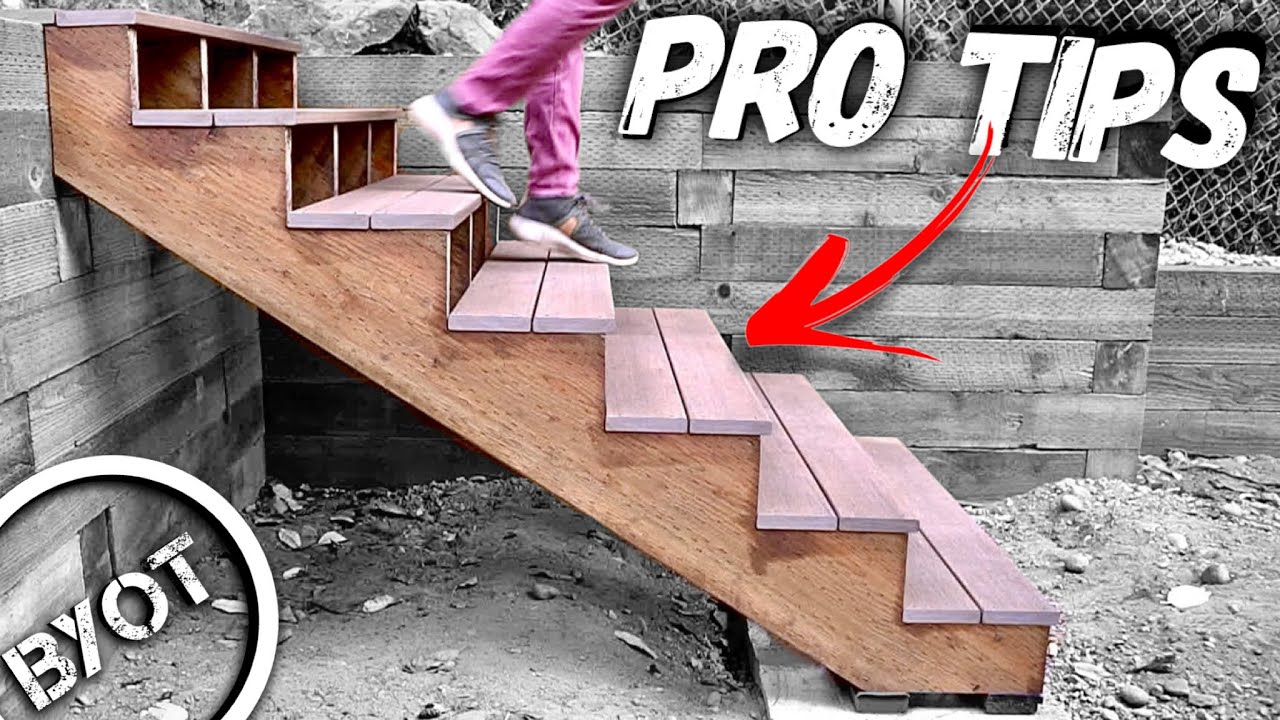

How to Make Steep Basement Stairs Safer
About This Project
This project outlines methods to improve the safety of steep basement stairs. It includes assessing the current state of the stairs, implementing enhancements like improved lighting, handrail additions or upgrades, tread modifications, and potentially structural adjustments if necessary and feasible.
Tools & Materials

Defiant 2000 Lumens LED Slide-to-Focusing Aluminum Flashlight 90706
Measuring Tape

Warner ProGrip 1-1/4 in. Stiff Chisel Putty Knife 29984
Screwdriver

CityPost 8 ft. Stair Cable Railing in White CP-8-W-S

Drill
Defiant 2000 Lumens LED Slide-to-Focusing Aluminum Flashlight 90706
This Defiant 2000-Lumens LED Slide-to-Focusing Aluminum Flashlight features high- powered LED chips to emit up to 2000-Lumens of light, illuminating your work area and beyond. Its tough aluminum material
Measuring Tape
For accurate measurements of plywood and components, ensuring proper assembly.
Warner ProGrip 1-1/4 in. Stiff Chisel Putty Knife 29984
The ProGrip Stiff 1-1/4 in. Chisel Putty Knife is part of Warner's premium professional line of putty knives and scrapers. All ProGrip tools come in red for a stiff blade, blue for a flexible blade, yellow
Screwdriver
Essential for assembling the cart with screws and installing hardware like gate latches.
CityPost 8 ft. Stair Cable Railing in White CP-8-W-S
CityPost 36 in. tall cable railing kits can be ordered to fit your needs regardless of your project layout. All kits come with enough posts to install at a maximum center-to-center spacing of 6 ft. (example:
Drill
A power tool used for drilling holes in various materials.
Steps

Assess Stair Condition
30 minutesThoroughly examine the existing basement stairs. Check for any signs of wear on the treads and risers, such as splintering, cracks, or excessive smoothness. Test the stability of existing handrails and balusters by applying firm pressure. Assess the current lighting situation to determine if it provides adequate visibility for safe descent and ascent. Look for any visible damage to the stair structure, stringers, or supporting elements.
Watch: Evaluate Stair Safety
Improve Stair Lighting
90 minutesEvaluate the current lighting. If insufficient, consider installing additional light fixtures such as ceiling-mounted lights, wall sconces, or LED strip lights under the handrail or along the stair riser. Ensure the new fixtures are securely mounted and wired according to electrical codes. A dimmer switch can also be installed for adjustable lighting.
Watch: Install Stair Lights
Install or Upgrade Handrails
180 minutesIf only one handrail exists, install a second one on the opposite side. Ensure handrails are mounted at a height between 34 and 38 inches from the tread nosing. The handrail should extend horizontally at least 12 inches beyond the top and bottom risers. Secure handrails firmly to the wall or stair stringers using robust brackets and appropriate fasteners, ensuring they can withstand significant downward force. If existing handrails are loose or damaged, reinforce them or replace them entirely.
Watch: Install or Secure Handrails
Apply Non-Slip Treads or Coatings
120 minutesClean the stair treads thoroughly to remove any dirt, grease, or loose paint. If using anti-slip tape, cut it to size for each tread and apply it carefully, ensuring good adhesion and no air bubbles. Alternatively, install pre-formed anti-slip treads or apply a durable, textured non-slip coating or paint designed for stairs. Ensure the entire tread surface, especially the leading edge (nosing), is covered.
Watch: Apply Adhesive-Backed Anti-Slip Products
Reinforce Stair Structure (If Necessary)
300 minutesIf the initial assessment revealed sagging treads, loose stringers, or other structural integrity issues, these must be addressed. This may involve reinforcing the stringers with additional wood, sistering new stringers alongside old ones, or adding support posts and beams underneath. Ensure any new structural elements are properly sized, securely fastened, and meet local building codes. This step is critical if the stairs feel spongy or unstable when walked on.
Watch: Repair and Prepare Stair Structure