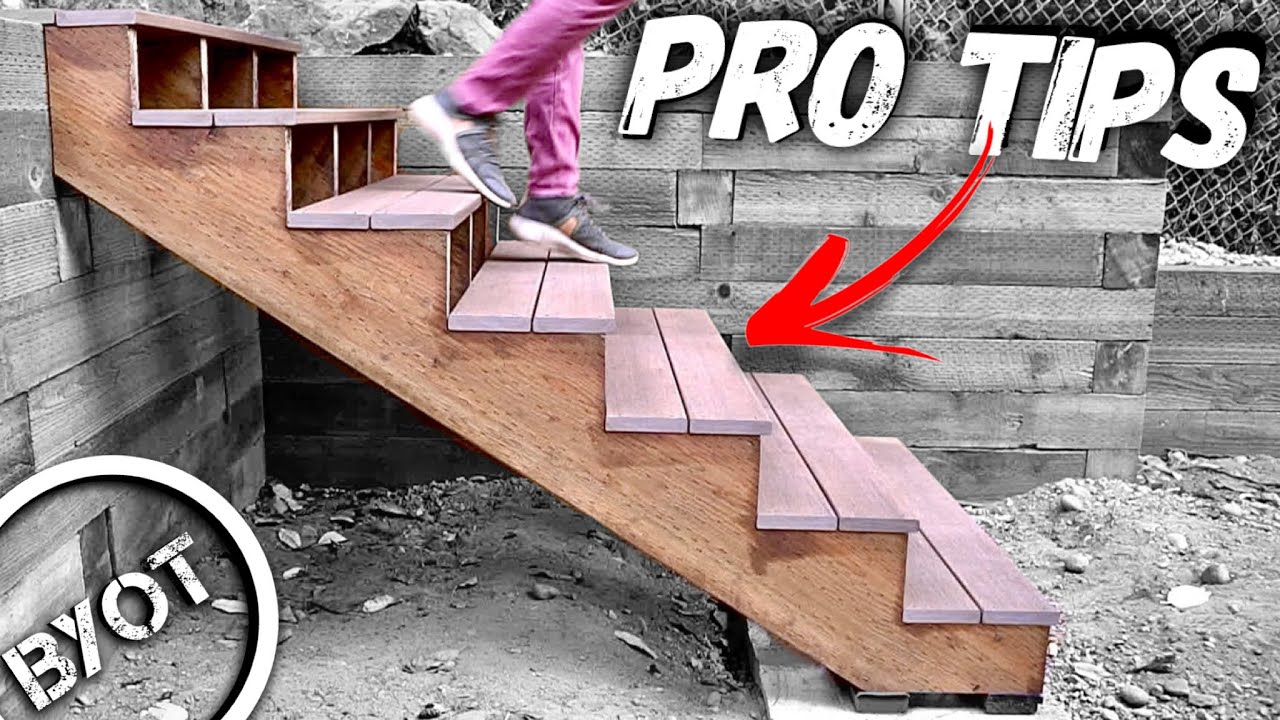

How to Make Stairs Safer After Knee or Hip Surgery
About This Project
This project outlines modifications to make stairs safer for individuals recovering from knee or hip surgery. It includes adding handrails, improving tread visibility, and potentially installing stair lifts or alternative mobility solutions.
Tools & Materials
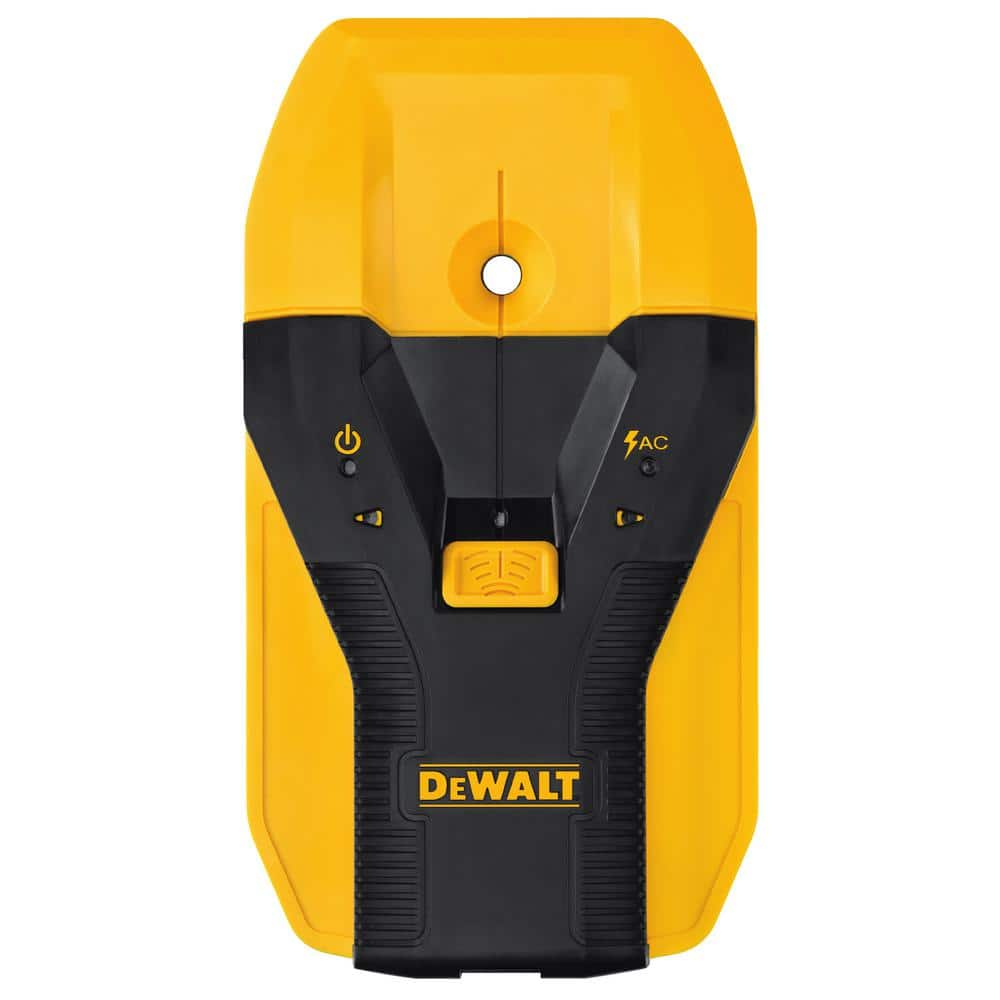
DEWALT 1-1/2 in. Stud Finder DW0150

Drill
Drill Bits
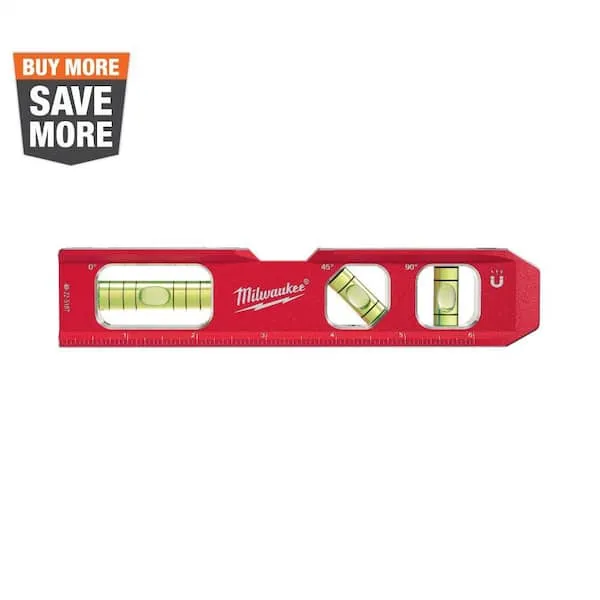
Level
Measuring Tape
Pencil
DEWALT 1-1/2 in. Stud Finder DW0150
This Center Sensor Stud Finder has a detection depth of 1-1/2 in. for wood and metal. Traditional stud sensors locate the edge of the stud, but our new product locates the center for a more efficient read, even when held at an angle. Plus, it is constantly calibrating to save time during use. An audible alert and directional LED arrows clearly notify you once the stud is located and you can easily mark the center of the stud with the center marking channel.
Drill
A power tool used for drilling holes in various materials.
Drill Bits
Various sizes for different drilling tasks, including making holes for screws and latches.
Level
Ensures surfaces are just right.
Measuring Tape
For accurate measurements of plywood and components, ensuring proper assembly.
Pencil
Marks and draws with ease.
Steps

Install New Handrails
240 minutesMeasure and mark the desired height for the new handrails on the wall adjacent to the stairs. Typically, handrails are installed 34 to 38 inches above the nosing of the stairs. Use a stud finder to locate wall studs for secure mounting. Attach the handrail brackets to the studs using lag screws. Ensure the brackets are level and firmly secured. Then, place the handrail on the brackets and secure it using appropriate screws. For continuous support, consider installing intermediate brackets if the span is long. Ensure there are no obstructions to the handrail's path.
Watch: Attach Handrail and Final Review
Apply High-Visibility Tread Markings
120 minutesClean the stair treads thoroughly to remove any dirt, dust, or grease. Allow them to dry completely. Measure and cut high-visibility tape or paint to fit the leading edge of each stair tread. For tape, carefully apply it along the front edge of each tread, ensuring it is smooth and adheres well. For paint, use painter's tape to create a clean line and apply multiple thin coats of durable, non-slip paint designed for floors or stairs. Allow adequate drying time between coats and before use.
Watch: Measure and Cut Anti-Slip Tape