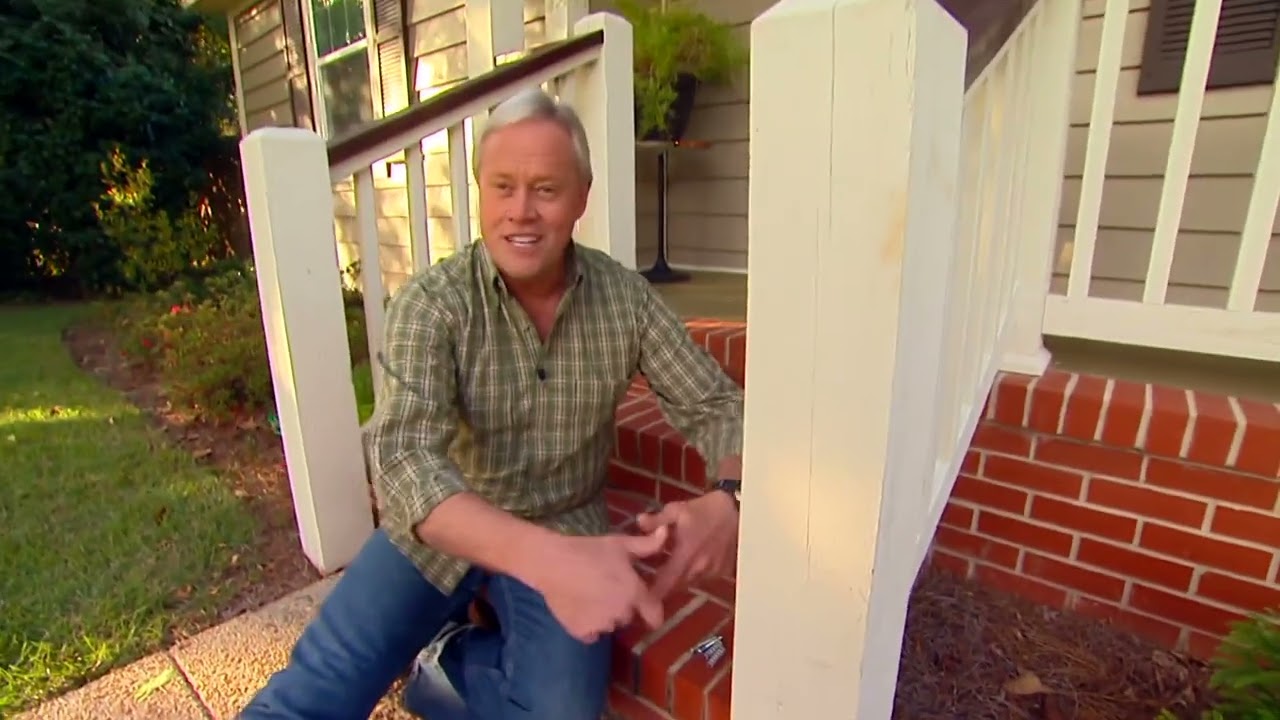
How to Install a Handrail on Outdoor Concrete Steps
About This Project
Install a handrail on outdoor concrete steps to improve safety and accessibility. This involves selecting appropriate materials, securely mounting the handrail posts to the concrete, and attaching the handrail itself.
Tools & Materials
Measuring Tape

Sharpie White Medium Point Oil-Based Paint Marker (2-Pack) 1782041
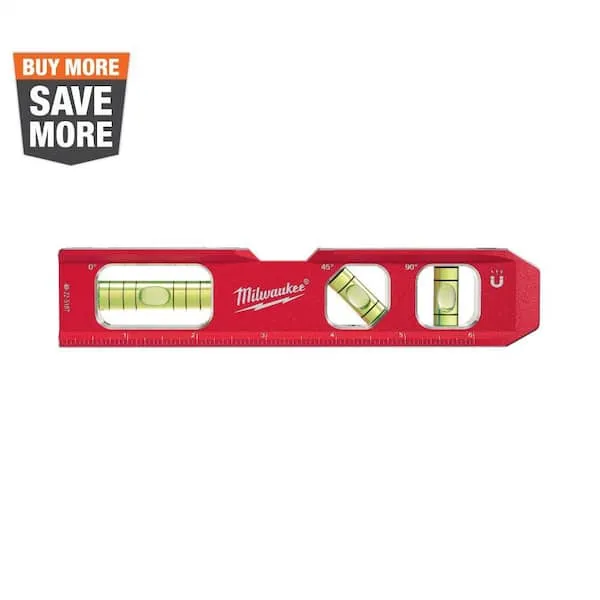
Level
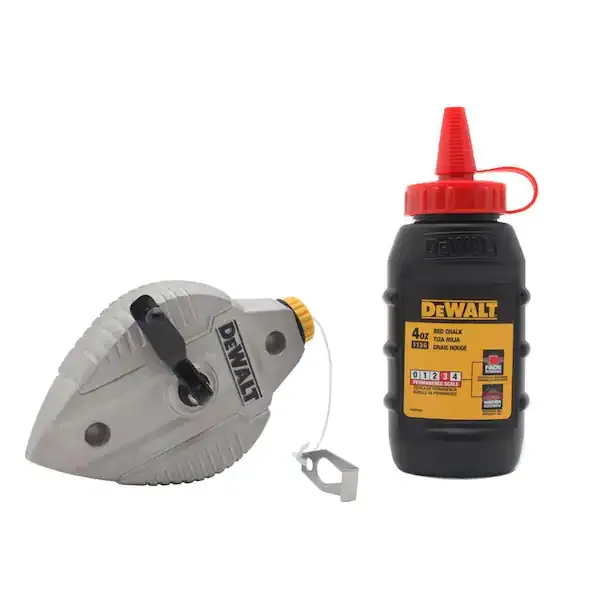
Chalk Line
Hilti 120-Volt UH 700 1/2 in. Corded 2 Speed, High Torque Universal Hammer Drill 273745

Drill America 3/16 in. x 4 in. Carbide Tipped Masonry Drill Bit DAM4X3/16
Measuring Tape
For accurate measurements of plywood and components, ensuring proper assembly.
Sharpie White Medium Point Oil-Based Paint Marker (2-Pack) 1782041
Oil-Based Paint Markers from Sharpie are permanent, valve - action paint markers. Practically any surface-including metal, pottery, wood, rubber, glass, plastic and stone can be marked upon. The quick
Level
Ensures surfaces are just right.
Chalk Line
Marks straight, precise lines on surfaces.
Hilti 120-Volt UH 700 1/2 in. Corded 2 Speed, High Torque Universal Hammer Drill 273745
The Hilti 120-Volt UH 700 Hammer drill is optimal in masonry and natural stone. This drill can also be used for rotary drilling in steel and sheet metal. It has large-diameter gearing for long life and
Drill America 3/16 in. x 4 in. Carbide Tipped Masonry Drill Bit DAM4X3/16
For Masonry Use. Drill America DAM Series Carbide-Tipped Masonry Drill Bit. Engineered with wide flutes to provide fast dust removal in softer materials. Designed for drilling in brick, concrete and sandstone.
Steps

Determine Handrail Placement and Height
30 minutesBefore drilling, determine the optimal placement for your handrail posts. Measure from the edge of the top step to establish the desired height, typically between 34 and 38 inches from the walking surface. Mark the locations for each post, ensuring they are positioned to provide a continuous handhold along the length of the stairs. Consider the angle of the stairs and the intended user to ensure the most ergonomic and accessible placement. Consult local building codes for specific requirements regarding handrail height, extension, and clearance.
Watch: Determine and Mark Handrail Height
Drill Pilot Holes for Post Anchors
45 minutesSelect a hammer drill with a masonry bit that matches the diameter and depth recommended for your chosen post anchors. Place the drill bit precisely on your marks. Drill pilot holes into the concrete to the required depth. Ensure the drill is held perpendicular to the surface for a straight hole. Clean out any dust from the holes using a brush or vacuum.
Watch: Drill Holes for Anchors
Install Concrete Anchors
30 minutesInsert the concrete anchors into the pilot holes. For wedge anchors, thread the nut onto the bolt a few turns, then tap the anchor into the hole with a hammer until the flange is flush with the concrete surface. For sleeve anchors, insert the anchor until the collar is flush. Tighten the nut to expand the anchor within the concrete. For lag shields, insert the shield and then drive the lag screw into it. Ensure each anchor is firmly seated and ready to support the post.
Watch: Install Wedge AnchorsAttach Handrail Posts to Anchors
40 minutesPosition the handrail post over the installed anchor. Align the mounting holes in the post base with the anchors. Insert the appropriate bolts or screws through the post base and into the anchors. Use washers as needed. Tighten all fasteners securely using a wrench or socket set. Ensure the posts are plumb and aligned with each other and the staircase. Check for any wobble or looseness; tighten further if necessary.
Watch: Secure Post Bracket
Measure and Cut Handrail Section
25 minutesMeasure the exact distance between the centers of the two handrail posts. If using a continuous handrail, measure from the outer edge of one post to the outer edge of the other. Transfer this measurement to your handrail material. Use a miter saw or hacksaw suitable for your material (e.g., wood, metal, PVC) to make a clean, straight cut. If your design includes end caps or returns, account for their length in your measurement. Smooth any rough edges with sandpaper or a file.
Watch: Measure and Cut Rails
Attach Handrail to Posts
45 minutesPosition the cut handrail section onto the top of the posts. Use a level to ensure the handrail is perfectly horizontal or follows the angle of the stairs correctly. Mark the attachment points on the underside of the handrail and the top of the posts. Pre-drill pilot holes if necessary, especially for wood. Secure the handrail to the posts using appropriate screws or brackets, ensuring a strong and stable connection. If using brackets, follow their specific installation instructions.
Watch: Secure Handrail to End Brackets
Install End Caps or Returns (if applicable)
15 minutesIf your design includes end caps or returns for the handrail, install them now. Clean the ends of the handrail and the inside of the cap or return. Apply adhesive if recommended by the manufacturer, or use small screws for a mechanical fastening. Ensure the cap or return fits snugly and is aligned with the handrail. Wipe away any excess adhesive immediately.
Watch: Install Handrail Cap and Final Brackets