
How to Fix a Wobbly Outdoor Stair Railing
About This Project
This project outlines the steps to diagnose and fix a wobbly outdoor stair railing, ensuring its stability and safety. The process involves identifying the loose connections, reinforcing or replacing components, and testing the railing's sturdiness.
Tools & Materials
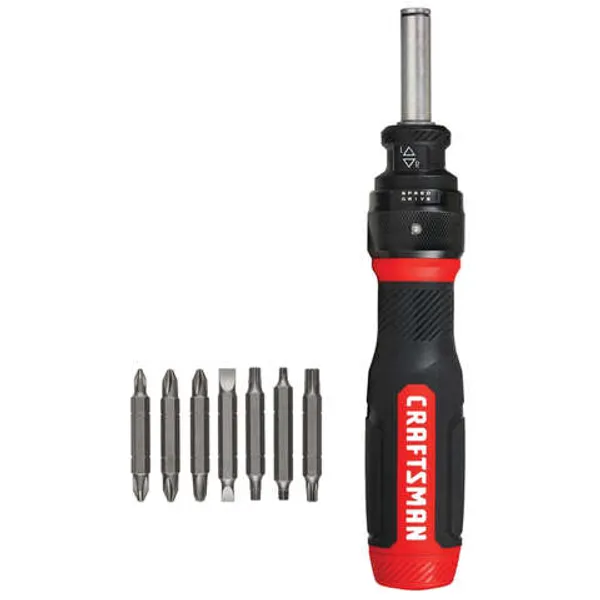
Screwdriver

Defiant 2000 Lumens LED Slide-to-Focusing Aluminum Flashlight 90706
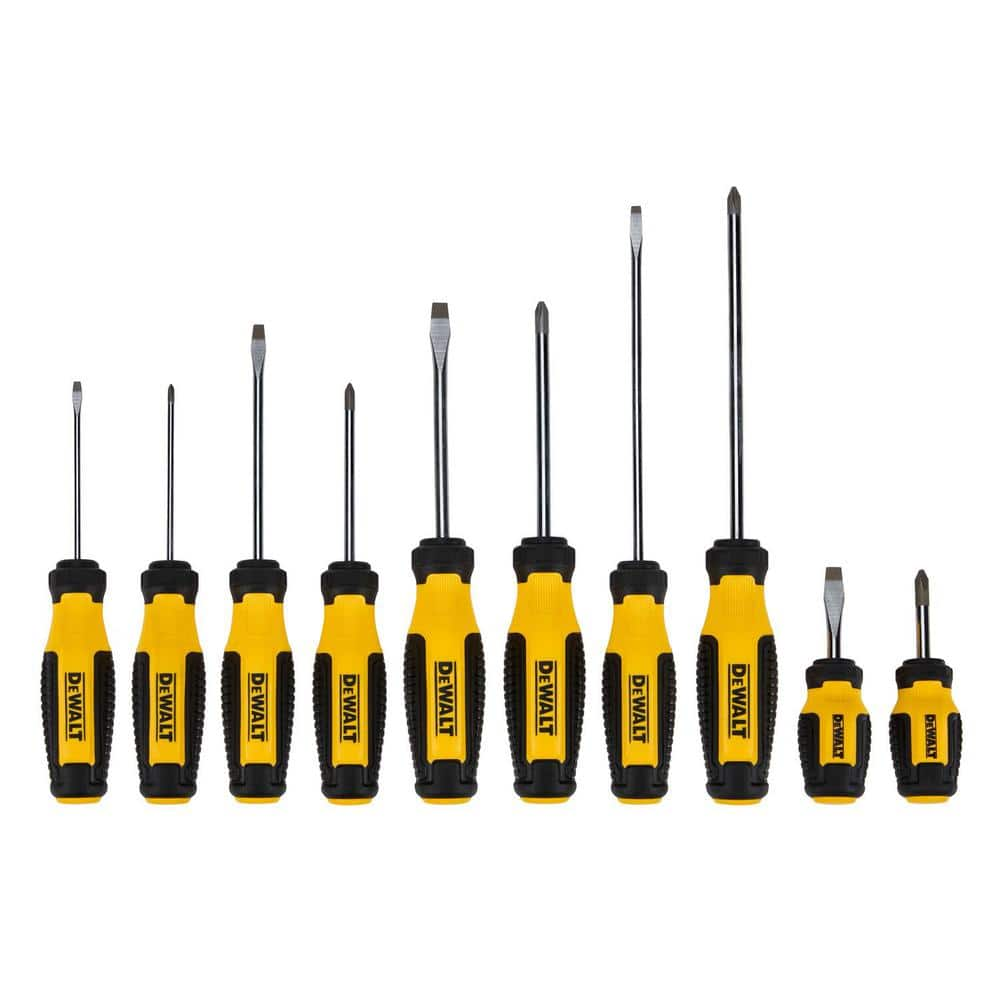
DEWALT Phillips Screwdriver Set (10-Piece) DWHT65201
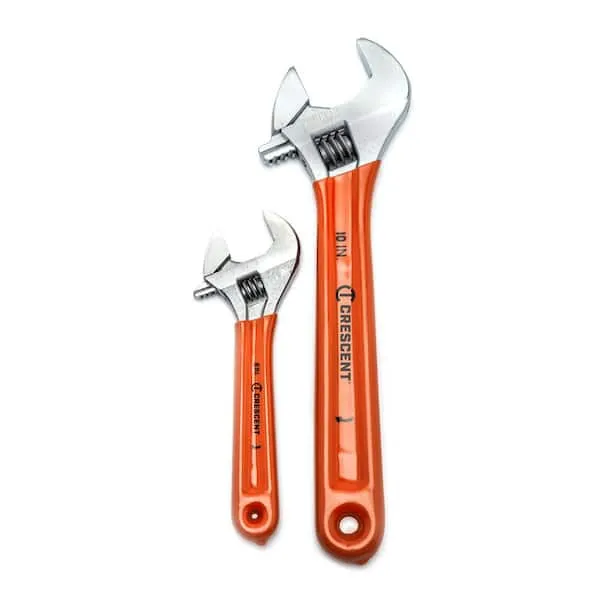
Adjustable Wrench
Screws

J-B Weld KwikWood 1 oz. Filler Epoxy 8257
Screwdriver
A tool used to turn screws.
Defiant 2000 Lumens LED Slide-to-Focusing Aluminum Flashlight 90706
This Defiant 2000-Lumens LED Slide-to-Focusing Aluminum Flashlight features high- powered LED chips to emit up to 2000-Lumens of light, illuminating your work area and beyond. Its tough aluminum material
DEWALT Phillips Screwdriver Set (10-Piece) DWHT65201
The DEWALT 10 pieas. Screwdriver Set includes a variety of handle sizes and tip types to help you complete a number of fastening projects. The steel bars are chrome-plated for corrosion resistance, while
Adjustable Wrench
Fits various nut and bolt sizes with its adjustable jaw.
Screws
Used for assembling the cart and reinforcing joints, as well as installing hardware.
J-B Weld KwikWood 1 oz. Filler Epoxy 8257
J-B Weld KwikWood is a hand-mixable epoxy putty, formulated to repair and rebuild wood. After mixing, it cures to the same density as wood and becomes an integral part of the repair. For use on exterior
Steps

Inspect the Stair Railing
30 minutesBegin by visually examining the stair railing. Gently push and pull on each component (posts, balusters, handrail) to feel for any play or instability. Look for visible signs of damage such as cracks, splinters, or rot, especially at the base of the posts and around fasteners. Pay close attention to areas where wood meets wood or where metal fasteners are used.
Watch: Identify Wobbly Railing Issues
Tighten Loose Fasteners
45 minutesUsing the appropriate screwdriver or wrench, systematically tighten any screws or bolts that were found to be loose during the inspection. Be careful not to overtighten, which could strip the screw head or damage the wood. If screws are stripped, they may need to be replaced with slightly larger ones or use wood filler/epoxy to re-establish a firm grip.
Watch: Re-secure Loose Deck ScrewsReinforce Loose Posts
60 minutesFor posts that remain wobbly after tightening fasteners, additional reinforcement is needed. Drill pilot holes from the outside of the post into the adjacent stair stringer or deck framing member. Then, drive long lag screws or carriage bolts through the post and securely into the framing. Use washers under the bolt head and nut to distribute pressure.
Watch: Install New Lag Bolts in Flat Posts
Repair or Replace Damaged Components
90 minutesFor minor cracks or rot, clean out the damaged area and fill with exterior-grade wood filler or epoxy, following the product instructions. For larger sections of rot or broken pieces, remove the damaged component entirely. Measure and cut new wood to match the original dimensions and specifications. Secure new components with appropriate fasteners and exterior-grade wood glue.
Watch: Insert New Wood and Apply Epoxy Filler
Test Stability and Finish
30 minutesOnce all repairs and reinforcements are made, systematically test the entire railing again by pushing and pulling on all components. Ensure there is no wobble or movement. If the railing is stable, clean off any dust or debris. If the wood is unfinished or repairs have exposed new wood, apply an exterior-grade sealant, stain, or paint to protect it from the elements and match existing finishes.
Watch: Final Inspection and Finishing Touches